Ready for the Field
A successful day of wildlife photography often begins long before the first photograph is taken.
When you are leaving before sunrise, walking several kilometres or spending hours waiting for wildlife, forgetting a small but essential piece of equipment can affect the entire day. At the same time, carrying too much equipment adds unnecessary weight and can make moving through the field slower and more tiring.
Preparing for wildlife photography is therefore not simply about making sure everything fits into your backpack. It means considering where you are going, what you expect to photograph, the conditions you may encounter and how you will actually work once you get there.
Before You Leave
Preparation should start with the environment.
Weather conditions, temperature, wind and the possibility of rain can influence both photographic opportunities and the equipment you decide to carry. Cold conditions can reduce battery performance, while strong wind can make support stability more important. Rain, dust, sand or wet vegetation may require additional protection for cameras, lenses and other equipment.
The location matters just as much.
A photographer working from a hide can comfortably bring equipment that would become a burden during a long mountain walk. Open landscapes may favour longer focal lengths, while forests often offer shorter working distances and less space to move.
Thinking about these conditions before packing is one of the simplest ways to avoid carrying equipment that will never leave the backpack.
Check Your Equipment
A few minutes spent checking equipment before leaving can prevent frustrating problems later.
Camera batteries should be charged, memory cards should have sufficient available capacity and the camera should be configured for the type of photography you expect to encounter.
Mechanical connections should also be checked. Lens feet, quick-release plates and support components should be correctly secured before reaching the field.
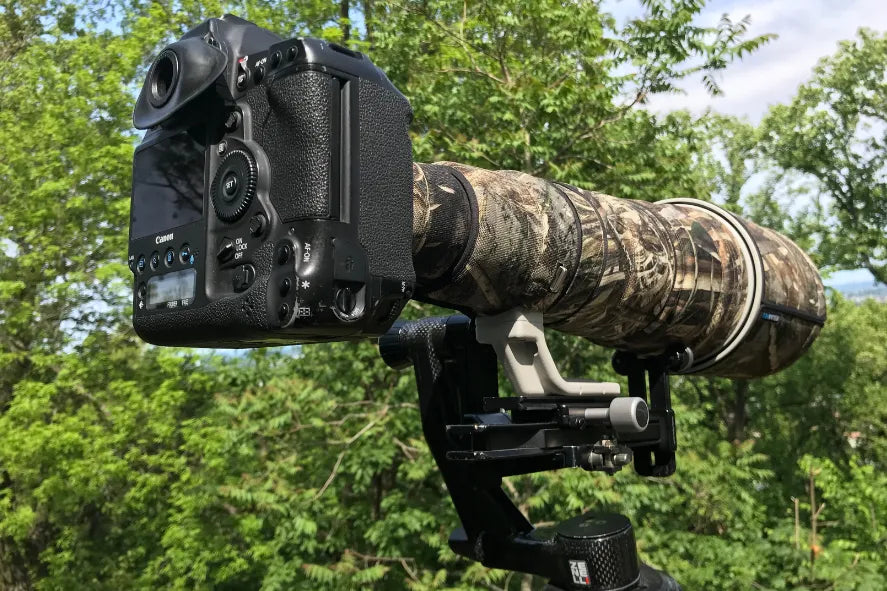
This becomes particularly important with large telephoto and super-telephoto lenses. A small amount of play in a connection that seems insignificant at home can become much more noticeable when several kilograms of equipment are being moved repeatedly during the day.
The front element and viewfinder should also be clean before departure. Cleaning equipment in a controlled environment is usually much easier than discovering dust, fingerprints or dried water marks when the light is already perfect and the subject has appeared.
Pack for the Photography You Will Do
It is tempting to prepare for every possible photographic situation.
An extra lens, another camera body and accessories that might be useful can quickly turn a manageable backpack into a heavy one.
A better approach is to think about the images you are actually going out to make.
If the objective is birds in flight, the priority may be a telephoto lens, fast access to the camera and enough battery and memory capacity for continuous autofocus and burst shooting.
If the day will be spent waiting from a fixed position, carrying additional equipment may be less problematic because it will not need to be transported continuously.
For long walks, every item should justify its place in the backpack.
Reducing unnecessary equipment does more than save weight. It simplifies decisions in the field and allows the photographer to concentrate on the subject rather than constantly choosing between different pieces of gear.
Protect Your Equipment
Wildlife photography rarely happens in perfectly controlled conditions.
Morning dew, sudden rain, dust, sand and vegetation are normal parts of working outdoors. Equipment does not need to be isolated from every trace of the environment, but it should be prepared for the conditions it is likely to encounter.
A rain cover for the camera and lens occupies very little space and can become extremely useful when the weather changes unexpectedly. A clean microfiber cloth can deal with moisture on external surfaces, while appropriate covers can help reduce direct exposure to mud, wet vegetation and other contaminants.
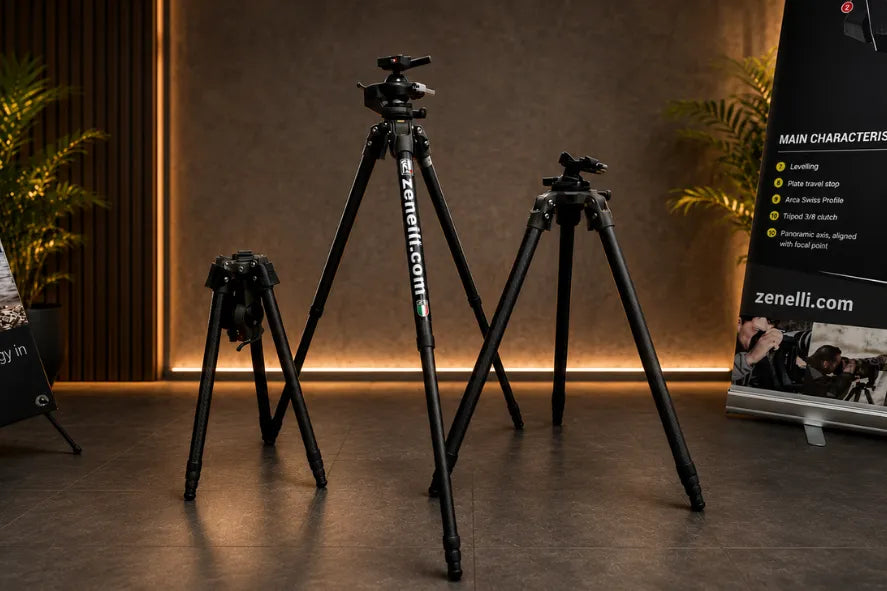
Support equipment deserves attention as well. Tripods and monopods are often placed directly on wet, dusty or muddy ground and are therefore among the components most exposed to the environment.
Where possible, avoiding unnecessary contamination is preferable to dealing with it later.
Carrying a Super-Telephoto Lens
A large telephoto lens changes the way a photographer moves through the field.
The combined weight of the lens, camera and support system can become significant over several hours, so how the equipment is carried can be almost as important as its total weight.
A well-organized backpack should keep heavy equipment close to the body and prevent components from moving while walking. Frequently used items should remain accessible without requiring the entire bag to be emptied.
The support system should also match the way the photographer moves. A long walk through difficult terrain places very different demands on equipment compared with a short walk to a hide.
Saving a few hundred grams may appear insignificant when comparing specifications, but after several kilometres the difference becomes much easier to appreciate.
Setting Up in the Field
When arriving at a location, there is often a temptation to begin shooting immediately.
Taking a moment to understand the environment can be more valuable.
Observe the direction of the light and wind and consider possible animal movement. Look for a position where the tripod can stand securely without interfering with vegetation or restricting movement.
If using a gimbal head, check the balance of the lens after setting up. If the tripod is standing on soft ground, make sure the feet have settled before placing the complete camera system on it.
The objective is simple: have the equipment ready before the photographic opportunity arrives.
Wildlife rarely gives much time for adjustments.
At the End of the Day
The photographic day does not necessarily finish when the camera goes back into the bag.
Before storing equipment for an extended period, check what it has been exposed to.
Moisture should be allowed to dry completely. Dust, mud and other contaminants should be removed using methods appropriate for each component. Tripod legs and locking mechanisms deserve particular attention because contamination can accumulate during repeated outdoor use.
Equipment that has been exposed to difficult conditions should be inspected rather than simply packed away until the next outing.
This is also a useful moment to check whether anything has loosened during the day and to prepare batteries and memory cards for the next session.
A few minutes of attention after returning home can make the next departure much easier.
Take What You Need
The best prepared wildlife photographer is not necessarily the one carrying the most equipment.
Good preparation means having the right equipment for the conditions, subject and way of working.
Camera, lens, support, protection and accessories should function as one practical system rather than a collection of individual products.
At Zenelli, we design photographic support equipment for photographers who spend real time outdoors, where weight, reliability, mobility and ease of use become much more important than they may appear on a specification sheet.
Whatever equipment you choose, the principle remains simple: prepare before you leave, carry what you actually need and take care of your gear when you return.
The less time you spend thinking about equipment in the field, the more attention you can give to what you went there to photograph.