Magnesium Extrusion: Lightweight Metal for Advanced Applications
Magnesium is one of the lightest structural metals available for engineering applications.
Its low density makes it particularly interesting when reducing component mass is an important design objective, but material selection alone does not determine the performance of a finished part.
Alloy, geometry, manufacturing process, heat treatment, surface protection and final machining all contribute to the behaviour of the component.
Extrusion is one manufacturing process that allows engineers to use magnesium efficiently in components with defined and repeatable cross-sectional geometries.
What Is Magnesium Extrusion?
Magnesium extrusion is a manufacturing process in which a heated magnesium alloy billet is forced through a die.
The shape of the die determines the cross-section of the resulting profile.
This makes it possible to manufacture bars, tubes and more complex profiles with a consistent geometry along their length.
The extruded material can then be cut, machined and finished to create the final component.
Why Use Magnesium?
The primary engineering advantage of magnesium is its low density.
Magnesium is approximately one-third lighter than aluminum by volume, which makes it attractive for structures where mass needs to be minimized.
This does not mean that magnesium can simply replace aluminum component-for-component.
Mechanical properties, corrosion behaviour, geometry, manufacturing requirements and operating conditions must all be considered during the design process.
The advantage appears when the component is specifically engineered around the characteristics of the selected magnesium alloy.
Why Extrusion Can Be Useful
Extrusion allows material to be concentrated where it contributes most effectively to the function of the profile.
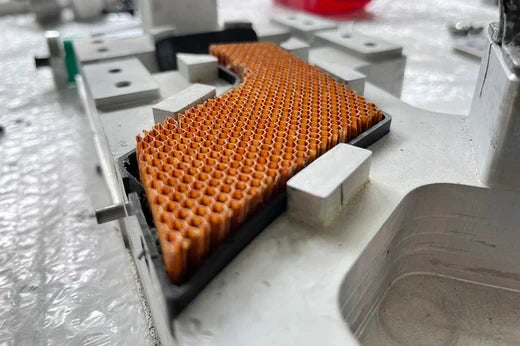
Instead of starting exclusively from a large solid block and machining away substantial amounts of material, an extruded section can begin closer to the geometry required by the final component.
This can reduce material waste and subsequent machining while allowing engineers to develop sections appropriate for the intended structural function.
For components produced repeatedly, this relationship between profile geometry and final machining can become particularly valuable.
Alloy Selection Matters
Magnesium is not a single engineering material.
Different magnesium alloys provide different combinations of mechanical strength, ductility, machinability, corrosion resistance and temperature behaviour.
The appropriate alloy therefore depends on the application.
A component designed primarily around minimum weight may require a different material specification from one exposed to significant mechanical loads or demanding environmental conditions.
Alloy designation and material condition should always be considered together with the manufacturing process.
Extrusion Does Not Eliminate the Need for Machining
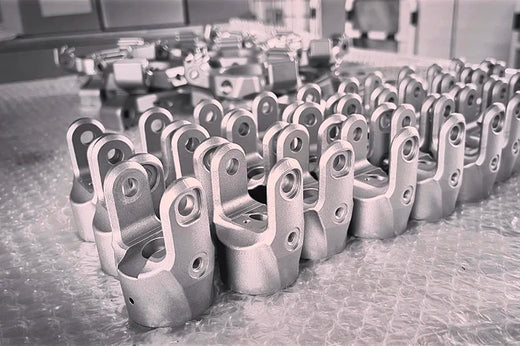
An extruded profile can provide the basic geometry of a component, but precision interfaces often still require CNC machining.
Bearing seats, threads, mounting surfaces, holes and other functional features may need tighter dimensional control than the extrusion process alone is intended to provide.
Extrusion and machining can therefore complement each other.
The extrusion creates an efficient starting geometry, while CNC machining produces the critical interfaces required by the finished component.
Surface Protection Is Important
Magnesium requires particular attention to environmental protection.
Its corrosion behaviour differs from that of aluminum and other commonly used engineering metals, especially when exposed to moisture, salts or galvanic contact with dissimilar materials.
Surface treatment should therefore be considered during the design stage rather than added as an afterthought.
The appropriate protection depends on the alloy, environment, mechanical interfaces and intended service conditions.
Magnesium in Lightweight Engineering
Magnesium alloys are used in applications where reducing mass can provide a meaningful functional advantage.
The important engineering principle is not simply to select the lightest available metal.
A lightweight component must still provide the required rigidity, strength, dimensional stability and durability for its intended application.
This requires the complete structure to be evaluated rather than comparing materials only by density.
Magnesium in Zenelli Products
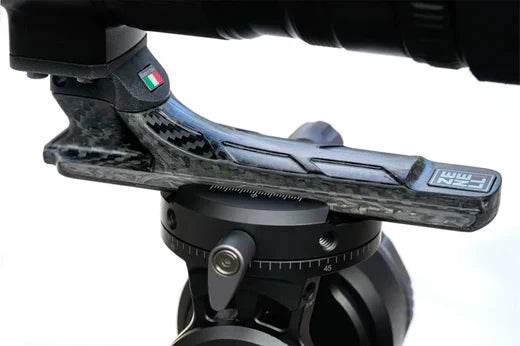
Zenelli uses magnesium alloys in selected components where low mass can provide an advantage within the complete photographic support system.
Photographers working with telephoto equipment often carry a combination of camera, lens, tripod, head and accessories, so unnecessary mass in individual components contributes to the total weight of the equipment.
The objective is therefore to use magnesium where its properties provide a meaningful engineering benefit rather than simply using it as a lightweight alternative to aluminum.
Designing Around the Material
Magnesium extrusion demonstrates an important principle of lightweight engineering.
Reducing mass effectively is not simply a matter of replacing one material with another.
The material, manufacturing process and geometry need to be considered together.
A well-designed magnesium component takes advantage of low density while accounting for mechanical requirements, machining, surface protection and the environment in which the component will operate.
The real advantage of magnesium extrusion is not simply producing lighter components. It is giving engineers another way to optimize the relationship between material, geometry, manufacturing and structural performance.