Wildlife Photography on the Cliffs: Capturing Puffins in Their Element
There are places where sound fades, and everything slows down.
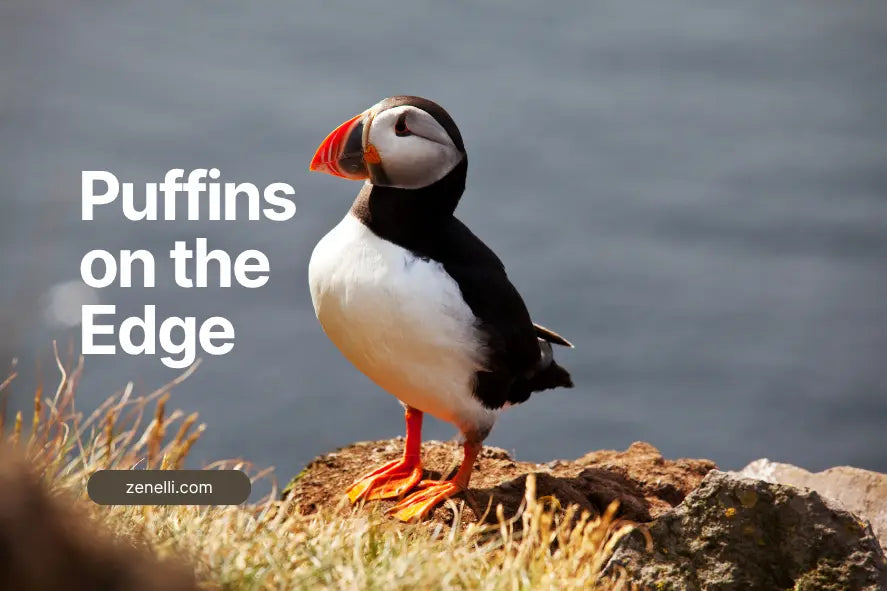
High above the ocean, where the wind shapes the cliffs and the horizon feels endless, the puffins move between land and sky with a rhythm that feels almost effortless. Their flight is quick, precise, and surprisingly graceful, disappearing and returning in a matter of seconds.
In this environment, photography becomes something different.
It is not just about capturing an image, but about adapting to the moment. Waiting, observing, reacting without disturbing what is unfolding in front of you. Every movement must be controlled, every adjustment quiet and deliberate.
Following puffins in flight requires fluidity. Their direction changes instantly, their speed is unpredictable, and the margin for error is minimal. Stability becomes essential, but it must not come at the cost of freedom.
This is where a well-balanced support system makes the difference.
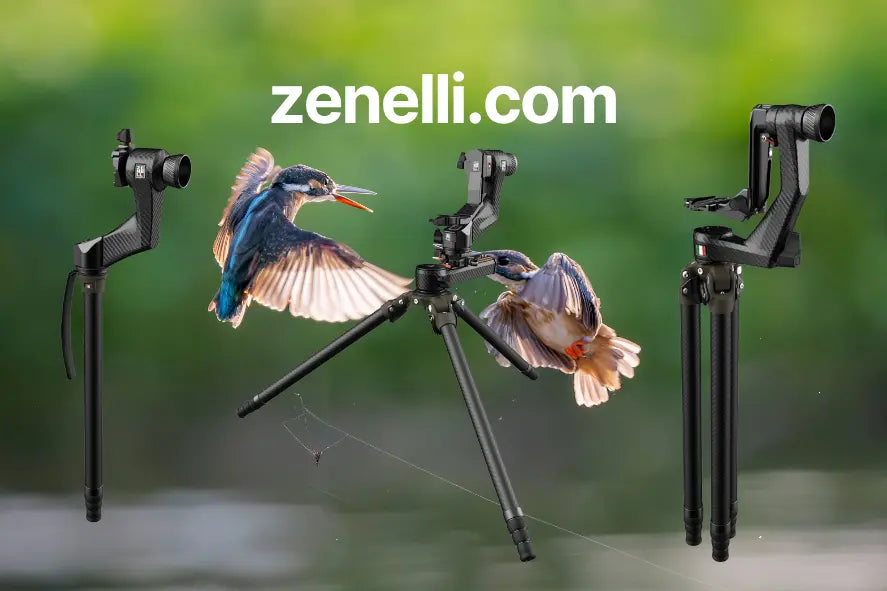
Using Zenelli carbon fiber tripods and lightweight gimbal heads, the camera moves naturally, without resistance. The system remains stable against the wind, yet responsive enough to follow each flight path with precision. There is no need to force the movement, only to guide it.
The result is not just sharper images, but a different way of experiencing the scene. Less effort. More connection.
On the cliffs, surrounded by sea and sky, the goal is not to control nature.
It is to move with it.
To observe without intrusion.
To capture without interruption.
To remain present in a place where everything is constantly in motion.
Because in wildlife photography, the most powerful images are not created.
They are witnessed.