

At Dawn in the Camargue: A Wildlife Photography Journey
At dawn, the Camargue does not wake all at once.
It reveals itself slowly.
The first light spreads across the wetlands, turning the water into a changing surface of reflections. Reeds move gently in the morning air while the sounds of birds begin to emerge from the landscape.
For a wildlife photographer, these quiet moments are often as important as the action that follows.
When the Landscape Comes Alive
Then the stillness changes.
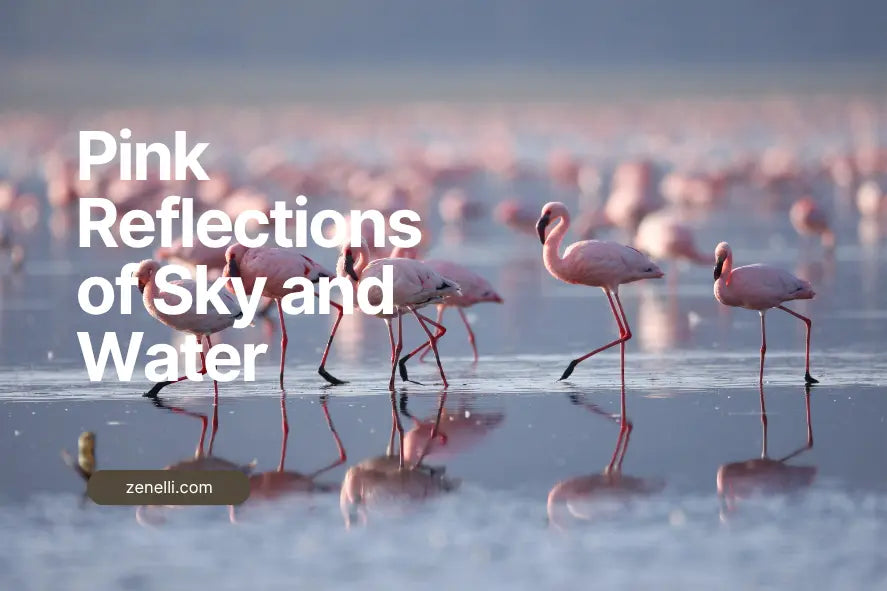
Flamingos begin to move across the shallow water. Birds gather, separate and suddenly take flight, transforming a quiet landscape into a scene of continuous movement.
Hundreds of wings can rise within seconds.
Reflections disappear and reform. Subjects change direction. The composition that existed a moment earlier is already gone.
Wildlife photography in the Camargue means working within this constant transition between stillness and movement.
Photographing Flamingos in the Camargue
The Camargue in southern France is known for its wetlands and its strong association with flamingos and other birdlife.
For photographers, the open landscape creates opportunities to work with birds both as individual subjects and as part of the wider environment.
At sunrise, changing light can transform the same scene within minutes.
A distant group of flamingos may initially appear almost as silhouettes. As the light develops, individual shapes, colors and reflections become more visible.
The photographer has to decide when to isolate a subject and when the landscape itself should become part of the image.
Anticipation Before Reaction
Photographing wildlife is often described in terms of reaction speed.
But reaction begins with observation.
Before a bird takes flight, there may be subtle changes in posture or movement. A group may become more active. The direction of the wind may suggest where birds are likely to move.
Recognizing these small changes allows the photographer to prepare before the action begins.
When the moment finally arrives, the objective is not simply to react quickly, but to already be ready for what might happen.
Following Movement Through a Long Lens
Through a telephoto lens, even a large landscape becomes a narrow window.
Once a bird begins to move, the photographer must follow its trajectory while maintaining composition and anticipating where it may go next.
The challenge increases when several birds move simultaneously.
Instead of trying to control the scene, the photographer works with its rhythm, following movement while remaining ready for sudden changes in direction.
This is where equipment should become secondary.
Camera, lens and support system should allow the photographer to concentrate on the subject rather than on the mechanics of operating the equipment.
The Rhythm of Wildlife Photography
Through the lens of videobix, the Camargue becomes a study of timing, light and movement.
There is no possibility of repeating the scene exactly.
The birds will move differently. The light will change. The reflections will disappear. Even the landscape itself will feel different as weather and wind transform the wetlands.
The photographer can prepare, observe and anticipate, but ultimately has to work with what nature provides.
That uncertainty is part of wildlife photography.
More Than the Subject
A successful wildlife image is not always defined by how close the subject appears.
Sometimes the environment tells an equally important part of the story.
Water, reflections, vegetation, morning mist and open space can provide context that a tightly framed portrait cannot.
In a place such as the Camargue, the landscape and wildlife are closely connected.
Including both can transform an image of a bird into an image of a place.
Waiting for the Moment
Wildlife photography often involves long periods when apparently nothing happens.
Then everything happens at once.
The value of patience is not simply waiting longer. It is remaining attentive while waiting.
Light, movement and distance may align for only a few seconds before the scene changes again.
The photograph becomes a record of that brief combination.
At Dawn in the Camargue
The Camargue offers no guarantees.
A photographer can return to the same location, at the same time of day, with the same equipment and encounter a completely different scene.
That is precisely what makes photographing wildlife there so compelling.
Every morning begins again.
Every movement is different.
And every photograph becomes a record of a moment that will never occur in exactly the same way again.

